What Happens During a Dry Eye Evaluation?
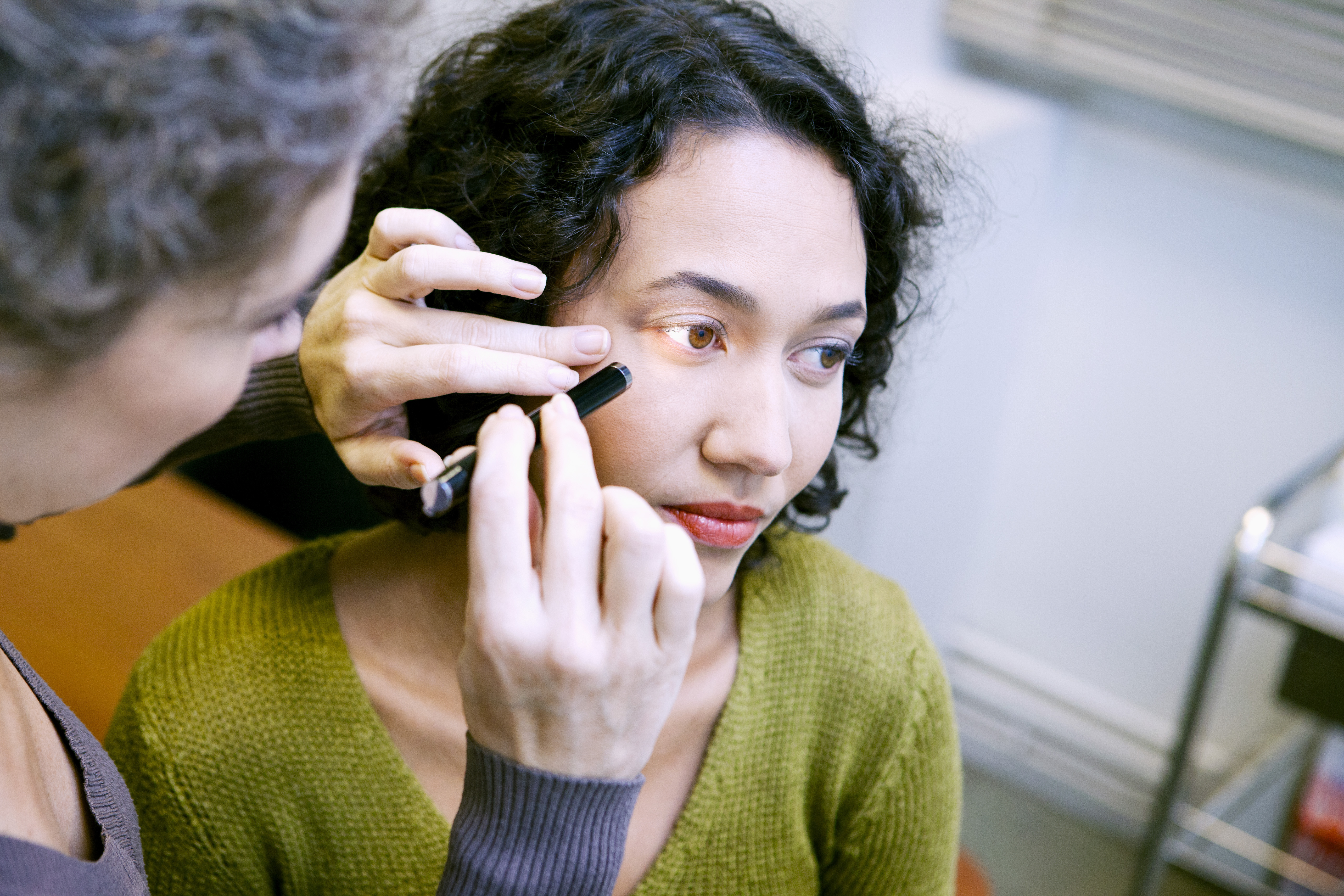
Dry eye can cause much more than a dry sensation. Burning, stinging, redness, watering, fluctuating vision, and a gritty feeling can all develop when the tear film is not keeping the surface of the eyes properly lubricated.
At EyeDentity in Woodbridge, we provide dry eye evaluations to help determine what is contributing to your symptoms. Because dry eye can have several causes, the goal is to look beyond temporary discomfort and build a treatment plan based on what is actually happening with your eyes.
We Start With Your Symptoms and Health History
A dry eye evaluation begins with a conversation. We want to understand what your eyes feel like, when symptoms occur, and which activities tend to make them worse.
Screen use, contact lens wear, allergies, medications, previous eye procedures, and certain health conditions can all influence the tear film. We may also ask whether symptoms become worse in air conditioning, wind, or other dry environments.
These details help us identify patterns before examining the eye surface more closely.
What Symptoms Should You Mention?
Even symptoms that do not sound like classic dryness can be important. Let us know if you experience:
Burning, stinging, or gritty sensations
Red or irritated eyes
Excessive watering
Blurry vision that improves after blinking
Contact lenses becoming uncomfortable during the day
Symptoms that continue despite regular use of artificial tears
Watery eyes can still be associated with dry eye. When the surface becomes irritated, the eyes may produce reflex tears that do not provide the same stable lubrication as a healthy tear film.
We Examine the Tear Film and Eye Surface
During your dry eye evaluation in Woodbridge, we examine the front surface of the eyes, eyelids, and tear film for signs of irritation or instability.
We may look for areas where the surface is drying too quickly, inflammation along the eyelids, or signs that the tear film is not remaining stable between blinks.
This helps us determine whether symptoms appear related to inadequate tear production, excessive evaporation, eyelid problems, or a combination of factors.
Why Do the Meibomian Glands Matter?
The meibomian glands are small glands along the eyelids that produce the oily layer of your tears. This oil helps prevent tears from evaporating too quickly.
When these glands become blocked, inflamed, or produce poor-quality oils, a condition called meibomian gland dysfunction, or MGD, can develop. MGD is a common contributor to evaporative dry eye.
Identifying gland dysfunction is important because artificial tears may provide temporary comfort without addressing the underlying eyelid gland problem.
What Happens After the Evaluation?
Treatment depends on what we find. Some Woodbridge patients may benefit from artificial tears, eyelid hygiene, warm compresses, prescription treatment, or changes to contact lens wear.
For appropriate patients with MGD-related dry eye, EyeDentity also offers Lumenis OptiLight IPL. This treatment uses controlled light energy around the eye area to help address inflammation and support better meibomian gland function.
Not every patient needs IPL, and dry eye treatment is not one-size-fits-all. The evaluation helps us determine whether advanced therapy or a simpler management plan makes the most sense.
Dry eye is often a chronic condition, so follow-up may be needed to monitor symptoms and adjust treatment over time. Significant eye pain, strong light sensitivity, severe redness, discharge, or sudden vision changes should be evaluated promptly rather than assumed to be routine dryness.
If burning, watering, gritty eyes, or fluctuating vision are interfering with your day, contact EyeDentity at 14212 Smoketown Rd., Woodbridge, VA 22192 by calling (571) 556-8060 to schedule a dry eye evaluation.
Quick Links
Helpful Articles
article_category: restorative
article_category: vision therapy
article_category: contact lenses
article_category: health
article_category: conditions
article_category: eye surgery co-management
article_category: exotic
article_category: cosmetic
article_category: products
article_category: psychiatry
article_category: faqs
article_category: cats
article_category: general
article_category: services
article_category: technology
article_category: dogs
article_category: surgical procedures
article_category: aesthetics
article_category: preventative
article_category: ocular disease management
article_category: eyeglasses
article_category: eye health
article_category: large animal
[]
Flowbite is an open-source library of interactive components built on top of Tailwind CSS including buttons, dropdowns, modals, navbars, and more.
Check out this guide to learn how to get started and start developing websites even faster with components on top of Tailwind CSS.
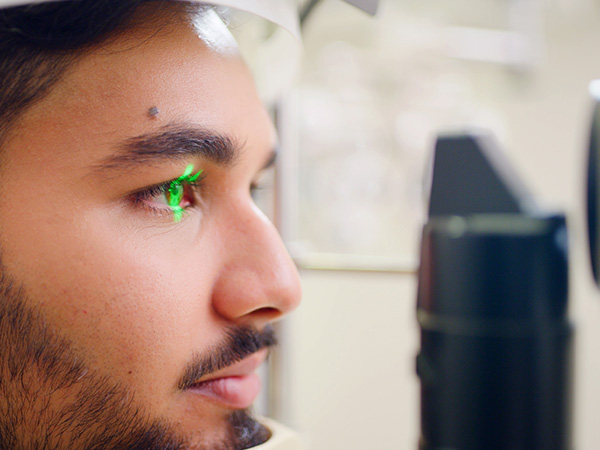
All Eye Care Services
Find personalized eye care excellence with our comprehensive services. From eye exams to advanced diagnostics, trust us for all your vision needs.

Keep In Touch
For non-urgent questions or to learn more about our services, contact us today!
© 2026 EyeDentity. All rights Reserved - Accessibility Statement - Privacy Policy - Sitemap
Managed and Designed by 