
Beyond Eye Drops: How IPL Therapy Helps Treat Dry Eye at the Source
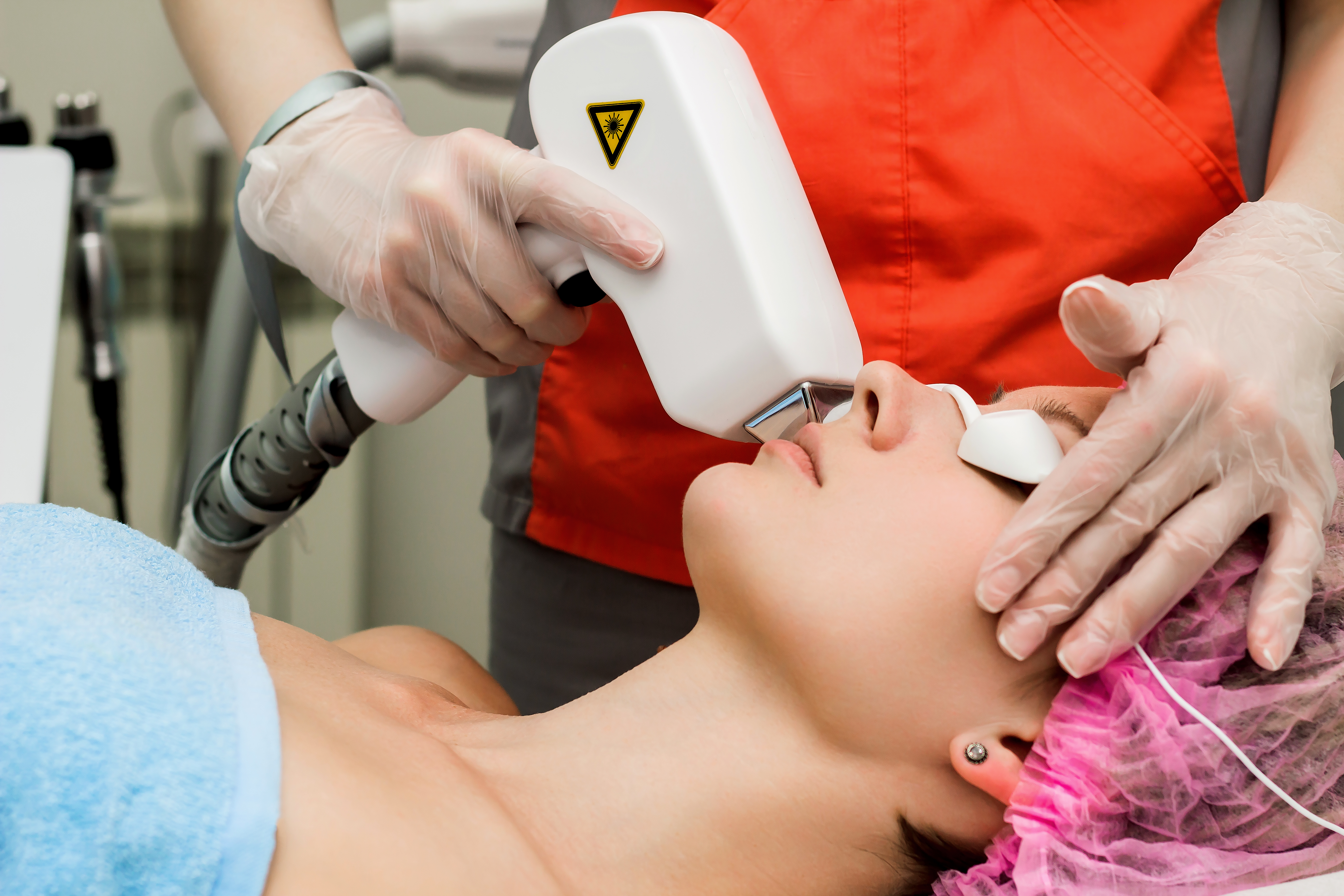
Dry eye can make everyday activities like reading, working on a computer, wearing contact lenses, or driving uncomfortable. While artificial tears may provide temporary relief, recurring symptoms can signal an underlying problem that eye drops alone cannot address. At EyeDentity, we offer Lumenis OptiLight IPL therapy to help patients manage dry eye by targeting common factors behind the condition.
Why Dry Eye Keeps Coming Back
Healthy tears contain water, mucus, and an oil layer that helps prevent tears from evaporating too quickly. The meibomian glands along the eyelids produce these essential oils. When the glands become blocked or inflamed, a condition known as meibomian gland dysfunction, or MGD, can develop.
MGD is a common contributor to evaporative dry eye. Instead of simply lacking tears, the eyes may struggle to maintain a stable tear film. This can lead to symptoms that repeatedly return even when lubricating eye drops are used.
Common signs of dry eye and meibomian gland dysfunction may include:
• Burning, stinging, or gritty sensations
• Red or irritated eyes
• Excessive watering
• Fluctuating or blurry vision
• Sensitivity to light
• Difficulty wearing contact lenses
• Symptoms that worsen with prolonged screen use
How IPL Therapy Targets Dry Eye at the Source
Intense Pulsed Light, or IPL, uses controlled pulses of light around the eye area. Lumenis OptiLight IPL is designed to help reduce inflammation associated with dry eye and support healthier meibomian gland function.
The light energy can help warm and loosen thickened oils within the glands, allowing them to function more effectively. Improving the oil layer of the tear film can help slow tear evaporation and support more consistent lubrication of the eye's surface. Rather than simply adding temporary moisture, IPL dry eye therapy focuses on improving factors that may be contributing to ongoing symptoms.
What to Expect During IPL Treatment
IPL therapy is performed in our office and does not require surgery. Protective eye shields are placed over the eyes, and a cooling gel is applied to the treatment area. Controlled light pulses are then delivered to targeted areas around the eyelids.
Treatment is typically completed as a series of sessions, with improvements developing gradually as inflammation decreases and gland function improves. Most patients can return to their normal activities after treatment.
Is IPL Right for Your Dry Eye?
A thorough dry eye evaluation can help us determine whether inflammation, meibomian gland dysfunction, tear film instability, or another factor is contributing to your symptoms. For patients who continually rely on artificial tears without enough relief, IPL therapy may provide a more targeted approach. Our goal is to develop a personalized dry eye treatment plan that improves comfort while supporting healthier tear production and tear film stability.
Schedule your dry eye evaluation at EyeDentity to learn more about Lumenis OptiLight IPL therapy. Contact our office in Woodbridge, VA, by calling (571) 556-8060 to book your appointment today.
Quick Links
Helpful Articles
article_category: products
article_category: psychiatry
article_category: faqs
article_category: cats
article_category: general
article_category: services
article_category: technology
article_category: dogs
article_category: restorative
article_category: vision therapy
article_category: contact lenses
article_category: health
article_category: conditions
article_category: eye surgery co-management
article_category: exotic
article_category: cosmetic
article_category: surgical procedures
article_category: aesthetics
article_category: preventative
article_category: ocular disease management
article_category: eyeglasses
article_category: eye health
article_category: large animal
[]
article_category: psychiatry
article_category: faqs
article_category: cats
article_category: general
article_category: services
article_category: technology
article_category: dogs
article_category: restorative
article_category: vision therapy
article_category: contact lenses
article_category: health
article_category: conditions
article_category: eye surgery co-management
article_category: exotic
article_category: cosmetic
article_category: surgical procedures
article_category: aesthetics
article_category: preventative
article_category: ocular disease management
article_category: eyeglasses
article_category: eye health
article_category: large animal
[]
Flowbite is an open-source library of interactive components built on top of Tailwind CSS including buttons, dropdowns, modals, navbars, and more.
Check out this guide to learn how to get started and start developing websites even faster with components on top of Tailwind CSS.
All Eye Care Services
Find personalized eye care excellence with our comprehensive services. From eye exams to advanced diagnostics, trust us for all your vision needs.

Keep In Touch
For non-urgent questions or to learn more about our services, contact us today!
© 2026 EyeDentity. All rights Reserved - Accessibility Statement - Privacy Policy - Sitemap
Managed and Designed by 